Ethics in Art: Making, Showing, and Judging Creative Work Responsibly
A practical course on moral responsibility, artistic freedom, and the choices that shape contemporary art
This course explores Ethics in Art through the lens of Arts & Humanities, giving you a clear understanding of how creative choices affect audiences, communities, and institutions. You will learn how to think critically about artistic freedom and responsibility while gaining practical tools for making better judgments about controversial work.
Apply Ethical Thinking To Creative Work In Arts & Humanities
- Gain a practical course on moral responsibility, artistic freedom, and the choices that shape contemporary art.
- Study major ethical frameworks that help you evaluate art, exhibition decisions, and public responses.
- Understand how issues such as censorship, consent, appropriation, and representation affect creative practice.
- Build confidence in discussing difficult cases with nuance, clarity, and informed judgement.
A practical course on moral responsibility, artistic freedom, and the choices that shape contemporary art.
Ethics in Art: Making, Showing, and Judging Creative Work Responsibly is designed for learners interested in Arts & Humanities who want to approach creative work with greater care and insight. The course examines the responsibilities of artists, curators, critics, and institutions when making decisions that can inspire, challenge, or harm.
Across the lessons, you will explore foundational questions about why ethics matters in art and how different moral philosophies can be applied to real creative situations. You will also trace how ethical debates have changed over time, helping you understand why arguments about offence, censorship, and public impact remain so complex today.
The course goes beyond theory by addressing practical topics such as cultural borrowing, representation, consent, privacy, violence, trauma, authorship, and collaboration. You will see how museums, galleries, patrons, and art markets influence meaning and access, and how ethical concerns also extend to restitution, provenance, and cultural property. Contemporary issues, including digital art, AI, and public art, are examined alongside the real-world tensions they create.
By the end of the course, you will be able to analyse controversial artworks with greater confidence, weigh competing values more carefully, and apply a structured ethical decision-making framework to creative and curatorial choices. You will finish with stronger critical judgement and a more responsible way of engaging with Ethics in Art.
Full lesson breakdown
Lessons are organized by topic area and each includes descriptive copy for search visibility and student clarity.
Foundations of artistic responsibility
1 lesson
Using moral philosophy to analyse art
1 lesson
When expression meets public consequence
1 lesson
How ethical debates have changed over time
1 lesson
Limits, institutions, and contested boundaries
1 lesson
Distinguishing influence from misuse
1 lesson
Who gets to depict whom, and how
1 lesson
Ethics in portraiture, documentation, and performance
1 lesson
Handling painful content with care
1 lesson
Credit, labour, and shared creation
1 lesson
How institutions shape meaning and access
1 lesson
Money, influence, and ethical compromise
1 lesson
Ownership, return, and historical injustice
1 lesson
Technology, authorship, and data rights
1 lesson
Ethics in shared spaces and civic projects
1 lesson
Applying principles to real cases
1 lesson
Take this course at your own pace
Create a free account, then purchase this course for $9.95. Your account keeps access and progress in one place.
Create Account, then Purchase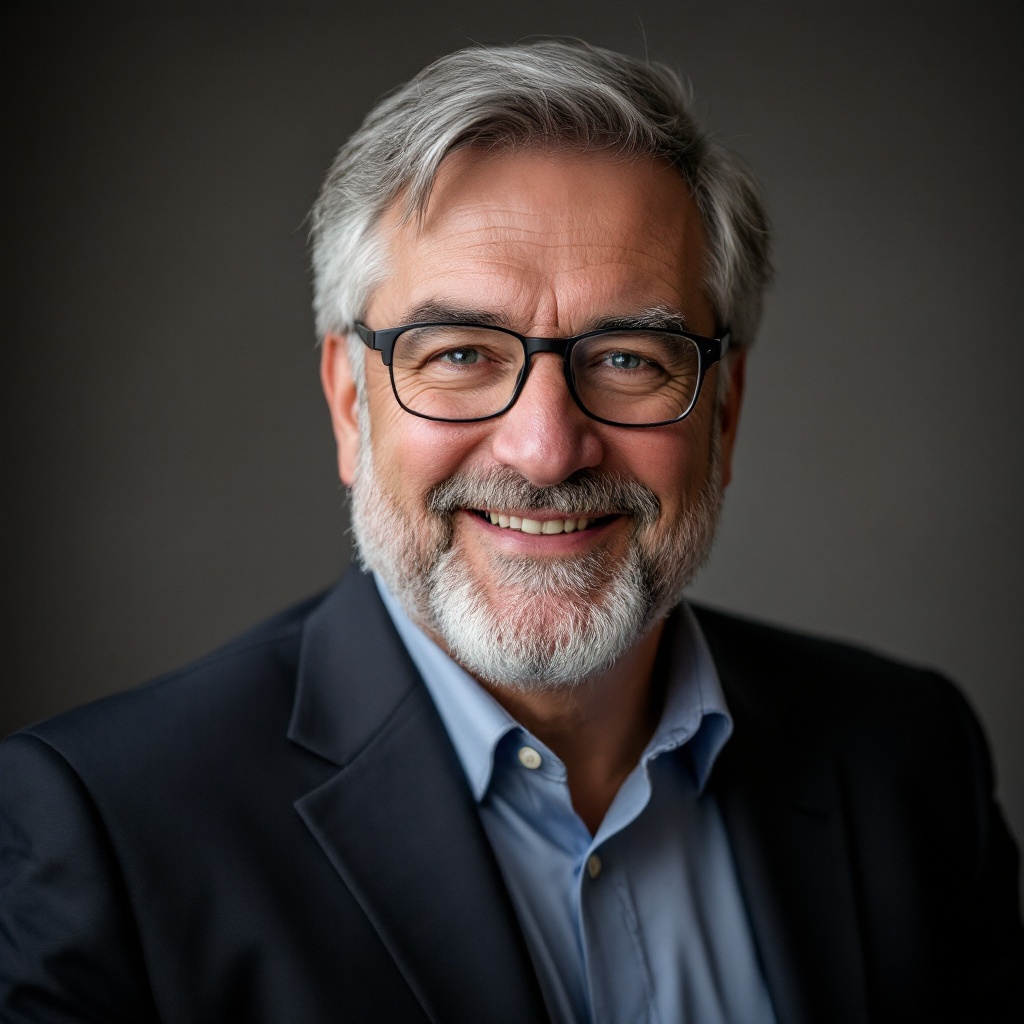
Professor David Grant
Professor David Grant guides this AI-built Virversity course with a clear, practical teaching style.