Health & Wellness Neuroscience

The Science of Sleep

How sleep works, why it matters, and how to improve it with evidence-based habits
The Science of Sleep logo
Quick Course Facts
18
Self-paced, Online, Lessons
18
Videos and/or Narrated Presentations
6.2
Approximate Hours of Course Media
About the The Science of Sleep Course

The Science of Sleep is a Health & Wellness course that explains how sleep works, why it matters, and how to improve it with evidence-based habits. Students will learn the biology of rest, the impact of sleep on the brain and body, and practical ways to build a healthier sleep routine.

Improve Your Health & Wellness Through The Science Of Sleep

  • Understand REM, non-REM sleep, circadian rhythms, and the body clock in clear, practical terms.
  • Learn how sleep supports memory, learning, emotional balance, immunity, metabolism, and recovery.
  • Recognize common sleep problems, lifestyle disruptors, and signs that professional help may be needed.
  • Create a personal sleep improvement plan using evidence-based habits instead of marketing claims or myths.

A practical Health & Wellness course on how sleep works, why it matters, and how to improve it with evidence-based habits.

The Science of Sleep gives students a structured introduction to the systems that shape nightly rest, from sleep architecture and adenosine-driven sleep pressure to circadian rhythms and the modern factors that disrupt them. Through concise lessons, students will explore why sleep deserves scientific attention and how nightly cycles influence mental and physical performance.

This course connects sleep to everyday Health & Wellness outcomes, including memory, creativity, stress regulation, appetite, hormones, immunity, inflammation, and physical recovery. It also examines sleep across the lifespan, helping students understand why sleep needs change with age and life stage.

Students will learn how insomnia, sleep apnoea, restless legs, light exposure, screens, caffeine, alcohol, food timing, exercise, shift work, and jet lag can affect rest. The course also covers sleep diaries, wearables, lab studies, and scientific judgment, giving students the tools to interpret sleep information more carefully.

By the end of the course, students will be able to evaluate their own sleep patterns, separate credible science from myths, and build a realistic personal sleep improvement plan. They will leave with a stronger understanding of The Science of Sleep and a practical path toward better rest, sharper focus, and improved overall Health & Wellness.

Course Lessons

Full lesson breakdown

Lessons are organized by topic area and each includes descriptive copy for search visibility and student clarity.

Foundations of Sleep Science

4 lessons

This opening lesson explains why sleep is a serious scientific subject, not a lifestyle luxury or passive downtime. Students learn how sleep became measurable, why it affects nearly every body system,…

Lesson 2: Sleep Architecture: REM, Non-REM, and Nightly Cycles

22 min
This lesson explains the basic architecture of a night of sleep: how non-REM and REM sleep differ, how they cycle across the night, and why sleep is not a uniform state. Learners will see how stages N…

Lesson 3: Circadian Rhythms and the Body Clock

21 min
This lesson explains circadian rhythms: the roughly 24-hour biological timing system that helps coordinate sleep, alertness, hormones, body temperature, digestion, and performance. Learners will disti…

Lesson 4: Sleep Pressure, Adenosine, and the Drive to Rest

18 min
This lesson explains sleep pressure : the biological drive to sleep that builds during waking hours and eases during sleep. Learners will connect this drive to adenosine, a brain chemical associated w…

Sleep and the Brain

3 lessons

Lesson 5: The Sleeping Brain: Memory, Learning, and Creativity

23 min
This lesson explains what the brain is doing while the body appears to be offline. Students learn how sleep supports memory consolidation, skill learning, emotional processing, and creative problem so…

Lesson 6: Sleep, Emotion, Stress, and Mental Health

22 min
This lesson explains how sleep helps regulate emotion, stress physiology, and mental health. Students learn why a tired brain is more reactive, why stress makes sleep harder, and how the relationship …

Lesson 7: Dreaming, REM Sleep, and Conscious Experience

19 min
This lesson explains how dreaming fits into the biology of sleep, with special attention to REM sleep, brain activation, memory, emotion, and conscious experience. Students learn why REM is strongly a…

Sleep and the Body

2 lessons

Lesson 8: Sleep, Hormones, Metabolism, and Appetite

21 min
This lesson explains how sleep interacts with hormones that regulate stress, hunger, fullness, blood sugar, growth, and energy balance. Students learn why short or irregular sleep can make appetite ha…

Lesson 9: Immunity, Inflammation, and Physical Recovery

20 min
Sleep is not just rest for the brain; it is an active period of immune regulation, tissue maintenance, hormone signaling, and physical repair. In this lesson, Professor Charles Knight explains how sle…

Sleep and Human Development

1 lesson

Lesson 10: Sleep Across the Lifespan

22 min
This lesson explains how sleep changes from infancy through older adulthood, with a focus on development rather than one-size-fits-all sleep advice. Students learn how sleep duration, timing, architec…

Sleep Problems and Disruption

2 lessons

Lesson 11: Insomnia: Patterns, Causes, and Evidence-Based Responses

24 min
Insomnia is not simply “not sleeping enough.” It is a pattern of difficulty falling asleep, staying asleep, waking too early, or sleeping in a way that feels unrefreshing, paired with daytime impairme…

Lesson 12: Sleep Apnoea, Restless Legs, and When to Seek Help

21 min
This lesson explains two common medical sleep disruptors: obstructive sleep apnoea and restless legs syndrome. It focuses on how these conditions feel in real life, why they matter, what can and canno…

Everyday Sleep Influences

3 lessons

Lesson 13: Light, Screens, and the Modern Evening

18 min
This lesson explains how evening light affects the circadian system, why screens can delay sleep for some people, and how to reduce the sleep cost of modern nighttime routines without pretending techn…

Lesson 14: Caffeine, Alcohol, Food, and Exercise Timing

22 min
This lesson examines four everyday behaviors that strongly influence sleep timing and quality: caffeine use, alcohol use, eating patterns, and exercise timing. The focus is not on perfection, but on u…

Lesson 15: Shift Work, Jet Lag, and Irregular Schedules

20 min
This lesson examines what happens when sleep timing conflicts with the body’s circadian clock. Shift work, jet lag, rotating schedules, and irregular routines can create a mismatch between when the bo…

Tools and Interpretation

1 lesson

Lesson 16: Measuring Sleep: Diaries, Wearables, and Lab Studies

19 min
This lesson explains how sleep can be measured in everyday life and in clinical or research settings. Students learn what sleep diaries, consumer wearables, actigraphy, and lab-based polysomnography c…

Practical Application

2 lessons

Lesson 17: Building a Personal Sleep Improvement Plan

24 min
In this lesson, learners turn sleep science into a realistic personal improvement plan. The focus is not on chasing perfect sleep, but on identifying the few controllable behaviors most likely to impr…

Lesson 18: Sleep Myths, Marketing Claims, and Scientific Judgment

18 min
This lesson teaches students how to evaluate sleep advice, product claims, and popular myths without becoming either gullible or cynical. The focus is practical scientific judgment: asking what kind o…
About Your Instructor
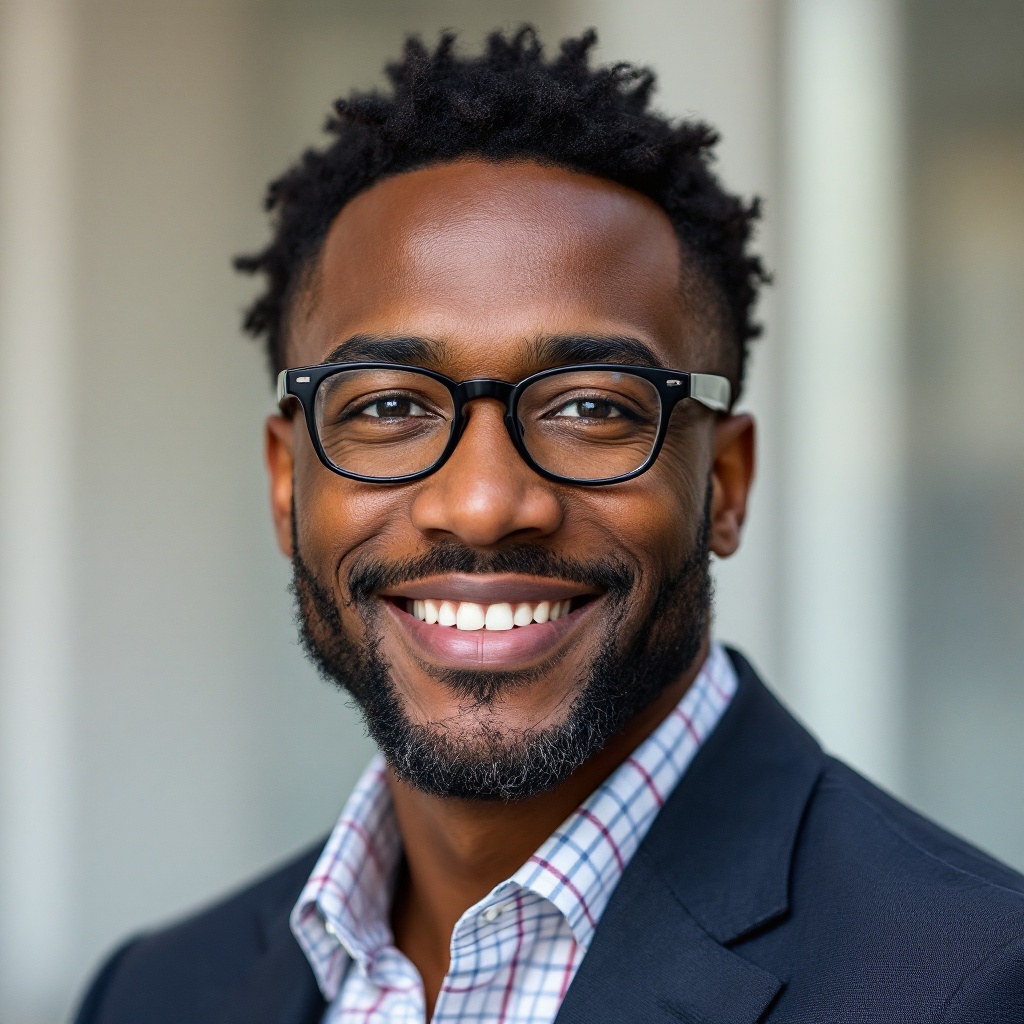
Professor Charles Knight

Professor Charles Knight

Professor Charles Knight guides this AI-built Virversity course with a clear, practical teaching style.