Creative Arts Photography

Introduction to Photography

Learn the fundamentals of taking better photos with confidence, from camera settings and composition to lighting, editing, and storytelling.

Introduction to Photography logo
Quick Course Facts
17
Self-paced, Online, Lessons
17
Videos and/or Narrated Presentations
5.6
Approximate Hours of Course Media
About the Introduction to Photography Course

Introduction to Photography is a practical course designed to help you build confidence behind the camera and create images with purpose. Whether you are just starting out or want a stronger foundation in Creative Arts, this course will help you learn the fundamentals of taking better photos with confidence, from camera settings and composition to lighting, editing, and storytelling.

Master Photography Fundamentals With Confidence

  • Build a clear understanding of smartphones, DSLRs, and mirrorless cameras
  • Learn how aperture, shutter speed, and ISO work together to control exposure
  • Improve your composition, lighting, and focus for stronger images
  • Develop a simple editing and workflow process to organize and refine your photos

A beginner-friendly Introduction to Photography course that teaches camera control, visual design, and practical shooting skills.

This course begins with the essentials, including course orientation, camera types, and how cameras capture light. You will explore the exposure triangle, shooting modes, focus, and sharpness so you can move beyond auto settings and make more intentional decisions with every shot. Along the way, you will gain the technical confidence needed to approach photography with greater ease and consistency.

You will also study composition fundamentals, natural light, portrait basics, and how to photograph landscapes, still life, and products. These Creative Arts skills help you see scenes more clearly and compose images that feel balanced, expressive, and visually engaging. The lessons on low light, motion, and exposure compensation give you practical tools for handling real-world situations, while the editing and workflow sections show you how to improve, sort, and organize your work efficiently.

By the end of the course, you will complete a practical shooting project that brings everything together. You will not only know how to use your camera more effectively, but also how to observe light, frame scenes, and make thoughtful creative choices. After taking this Introduction to Photography course, you will approach each photo with more confidence, stronger technique, and a clearer creative vision.

Course Lessons

Full lesson breakdown

Lessons are organized by topic area and each includes descriptive copy for search visibility and student clarity.

Course Orientation and Mindset

1 lesson

This opening lesson sets the tone for the course and helps learners get started without feeling overwhelmed. It explains what photography is really about, what mindset leads to faster improvement, and…

Smartphones, DSLRs, and Mirrorless Cameras

1 lesson

Lesson 2: Understanding Camera Types

18 min
This lesson introduces the three most common camera types you’ll encounter as a beginner: smartphones, DSLRs, and mirrorless cameras. You’ll learn the strengths, limits, and best-use cases of each so …

Sensor, Lens, and Shutter Basics

1 lesson

Lesson 3: How Cameras Capture Light

20 min
This lesson explains the three core parts of a camera system that determine how an image is formed: the lens , the shutter , and the sensor . You will learn how light is gathered, controlled, and reco…

Aperture, Shutter Speed, and ISO

1 lesson

Lesson 4: The Exposure Triangle

22 min
The exposure triangle is the foundation of manual exposure in photography. In this lesson, Professor Samuel Reed explains how aperture , shutter speed , and ISO work together to control brightness, mo…

Auto, Program, Aperture Priority, and Manual

1 lesson

Lesson 5: Shooting Modes and Camera Settings

20 min
This lesson explains the four main shooting modes you will use most often: Auto , Program , Aperture Priority , and Manual . You will learn what each mode controls, what the camera handles for you, an…

Autofocus, Manual Focus, and Depth of Field

1 lesson

Lesson 6: Focus and Sharpness

20 min
This lesson shows how focus works in real photography situations and how to keep the important part of your image sharp. You will learn when to use autofocus versus manual focus, how focus points and …

Framing, Balance, and Visual Direction

1 lesson

Lesson 7: Composition Fundamentals

22 min
Composition is the structure behind a strong photograph: where you place the subject, how you balance the frame, and how you guide the viewer’s eye. In this lesson, you will learn practical compositio…

Natural Light, Direction, and Quality

1 lesson

Lesson 8: Using Light Well

20 min
Using light well is one of the fastest ways to improve your photos, even with basic gear. In this lesson, Professor Samuel Reed shows how to recognize natural light direction, judge light quality, and…

Portrait Basics and Posing Considerations

1 lesson

Lesson 9: Photographing People

20 min
This lesson introduces the essentials of photographing people with confidence. You will learn how to choose flattering angles, guide natural poses, and use simple camera position changes to improve po…

Landscapes, Still Life, and Product Scenes

1 lesson

Lesson 10: Photographing Places and Objects

19 min
This lesson shows how to photograph places and objects with strong composition, clear subject emphasis, and controlled light. You will learn practical ways to frame landscapes, arrange still life scen…

Low Light, Backlight, and Harsh Sun

1 lesson

Lesson 11: Working in Challenging Light

21 min
In this lesson, Professor Samuel Reed shows how to make better photos when the light is working against you. You will learn practical ways to handle low light, backlit scenes, and harsh midday sun usi…

Freezing Action and Intentional Blur

1 lesson

Lesson 12: Capturing Motion

18 min
Capturing motion is about choosing whether to freeze action or show movement . In this lesson, you will learn how shutter speed affects motion, when to use fast or slow settings, and how to support yo…

Reading the Scene and Making Adjustments

1 lesson

Lesson 13: Basic Exposure Compensation

18 min
Exposure compensation lets you quickly make a photo brighter or darker when the camera's automatic metering gets close but not quite right. In this lesson, you'll learn how to read a scene, recognize …

Cropping, Color, and Exposure Corrections

1 lesson

Lesson 14: Introduction to Editing

22 min
This lesson introduces the first practical steps in editing photos: making simple crops, correcting color, and adjusting exposure so images look clean and balanced. Professor Samuel Reed focuses on sm…

Importing, Sorting, and Organizing Photos

1 lesson

Lesson 15: Building a Simple Workflow

17 min
In this lesson, Professor Samuel Reed shows you how to build a simple, repeatable photo workflow from the moment you import your images to the point where they are ready to edit. You will learn how to…

Self-Critique and Practice Habits

1 lesson

Lesson 16: Reviewing and Improving Your Work

19 min
In this lesson, you’ll learn how to review your photos with a clear eye and turn mistakes into progress. We’ll focus on practical self-critique: checking what works, identifying patterns in weak image…

A Practical Shooting Project

1 lesson

Lesson 17: Putting It All Together

24 min
In this lesson, you will bring together the core skills from the course and apply them in a practical shooting project. You will plan a simple photo goal, choose settings that fit the scene, compose i…
About Your Instructor
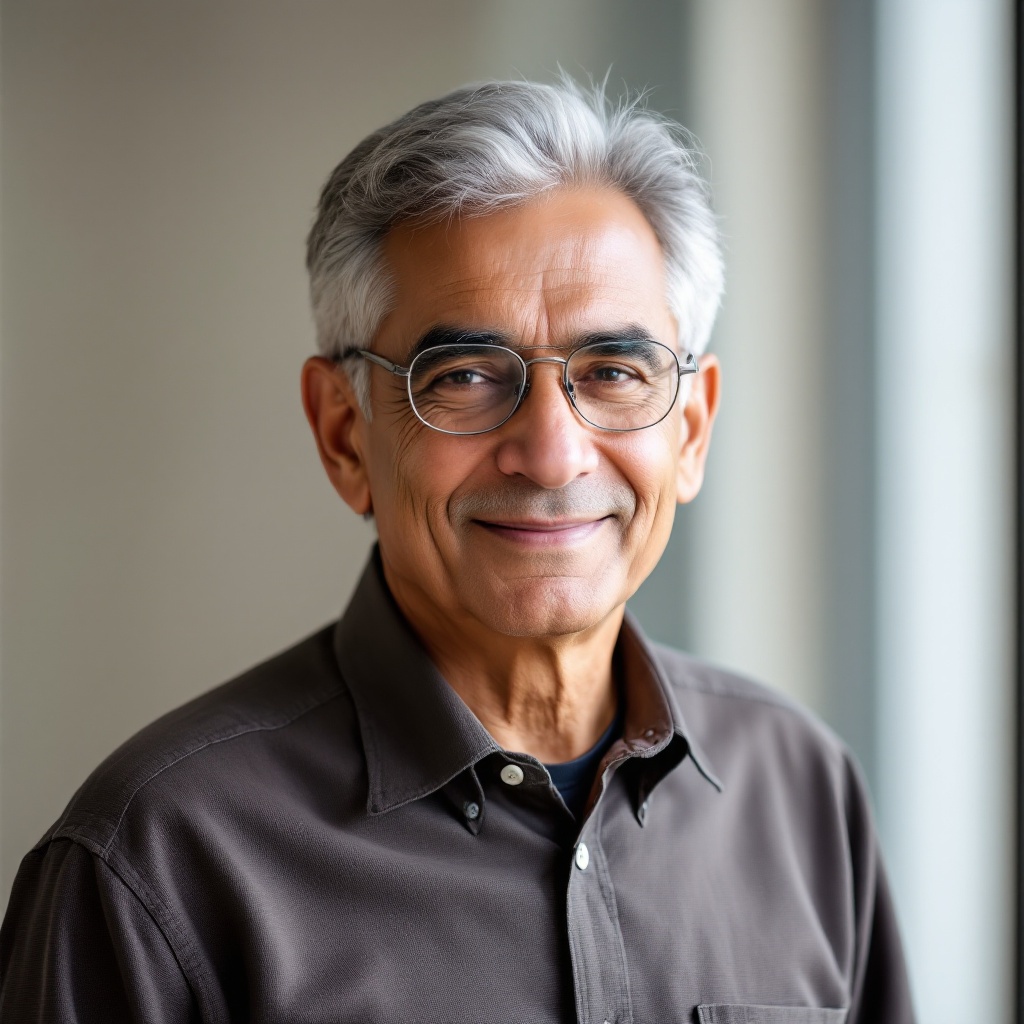
Professor Samuel Reed

Professor Samuel Reed

Professor Samuel Reed guides this AI-built Virversity course with a clear, practical teaching style.