The Nervous System Explained
A clear, practical journey through neurons, brain regions, senses, movement, autonomic control, and nervous system disorders
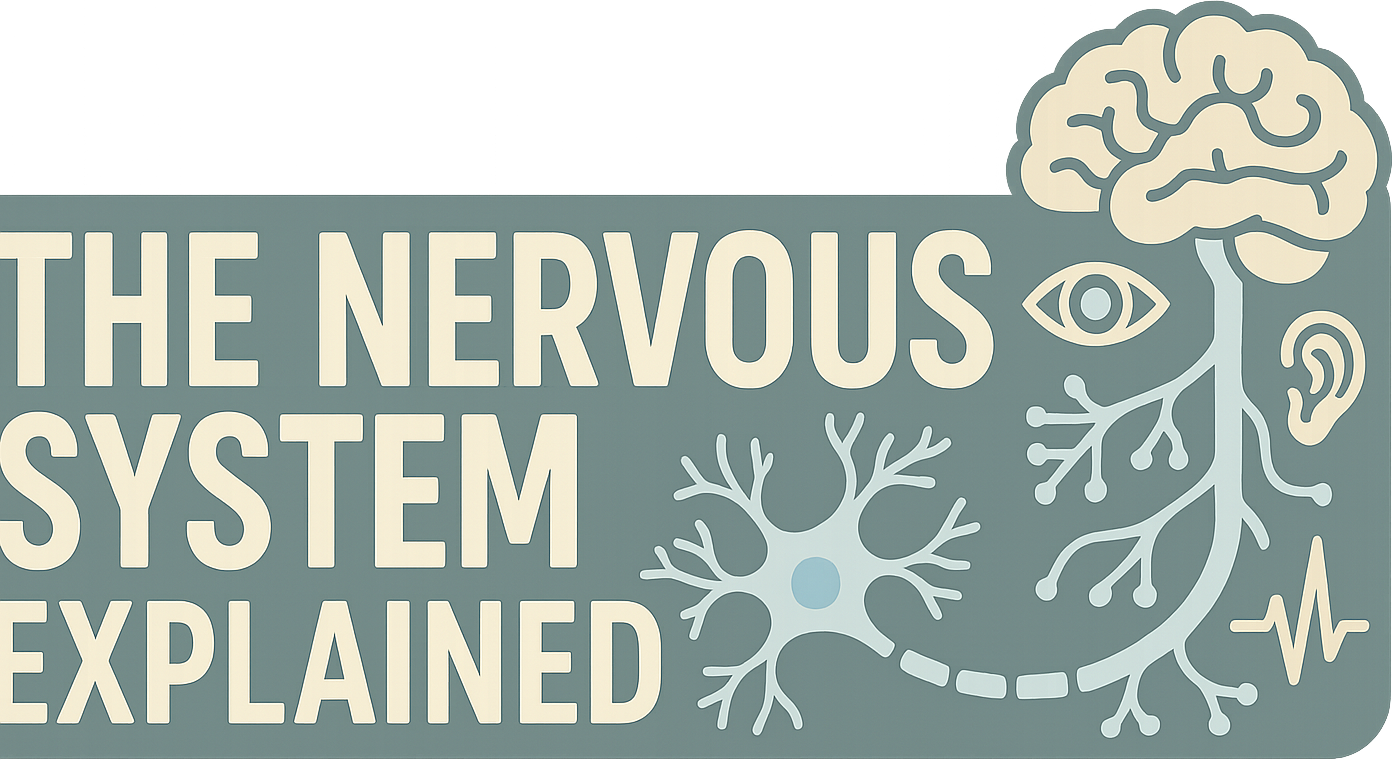
The Nervous System Explained is a clear Health & Medicine course designed to help students understand how the brain, spinal cord, nerves, and senses work together. Through structured lessons on neural communication, movement, autonomic control, cognition, and nervous system disorders, students gain practical knowledge they can apply to study, healthcare, wellness, or personal curiosity.
Build A Practical Understanding Of The Nervous System
- Follow a clear, practical journey through neurons, brain regions, senses, movement, autonomic control, and nervous system disorders.
- Learn how electrical signals, synapses, neurotransmitters, and reflex pathways shape everyday function.
- Connect brain anatomy to behavior, emotion, memory, sleep, language, and decision-making.
- Explore clinical assessment, diagnostic tools, injury, disease, and repair in a Health & Medicine context.
The Nervous System Explained gives students a structured introduction to the anatomy, physiology, and clinical relevance of the human nervous system.
This course begins with the foundations of neural organization, mapping the nervous system from central structures to peripheral pathways. Students study neurons, glia, neural tissue, action potentials, synapses, and neurotransmitters, building the vocabulary and concepts needed to understand how information moves through the body.
As the course develops, students examine the spinal cord, reflex arcs, peripheral nerves, dermatomes, brainstem, cranial nerves, cerebellum, cerebral cortex, and major brain lobes. Lessons also cover sensory systems such as touch, pain, vision, and hearing, along with motor pathways that translate intention into voluntary movement.
The Nervous System Explained also connects anatomy with real human experience, including the autonomic nervous system, emotion, stress, the limbic system, learning, memory, neuroplasticity, sleep, consciousness, attention, language, decision-making, and executive function. These topics make the course especially useful for students interested in Health & Medicine, psychology, biology, nursing, allied health, or neuroscience fundamentals.
By the end of the course, students will be able to describe how nervous system structures support sensation, movement, internal regulation, cognition, and clinical function. They will leave with a stronger, more organized understanding of the nervous system and greater confidence when studying brain regions, neurological examination, diagnostic tools, injury, disease, and repair.
Full lesson breakdown
Lessons are organized by topic area and each includes descriptive copy for search visibility and student clarity.
Foundations of Neural Organization
1 lesson
Cells of the Nervous System
1 lesson
Neural Communication Basics
1 lesson
Chemical Signaling
1 lesson
Fast Pathways and Protection
1 lesson
Body Wiring and Sensory Maps
1 lesson
Vital Control Centers
1 lesson
Balance, Timing, and Precision
1 lesson
Higher Brain Architecture
1 lesson
Receiving the World
1 lesson
From Intention to Action
1 lesson
Internal Regulation
1 lesson
Survival and Feeling
1 lesson
How the Nervous System Changes
1 lesson
Brain States and Awareness
1 lesson
Complex Human Cognition
1 lesson
Clinical Assessment
1 lesson
Clinical Applications
1 lesson
Take this course at your own pace
Create a free account, then purchase this course for $9.95. Your account keeps access and progress in one place.
Create Account, then Purchase
Professor Amit Kumar
Professor Amit Kumar guides this AI-built Virversity course with a clear, practical teaching style.

