Health & Medicine Anatomy & Physiology

The Respiratory System Explained

A practical anatomy and physiology course on breathing, gas exchange, lung mechanics, and common respiratory disorders.
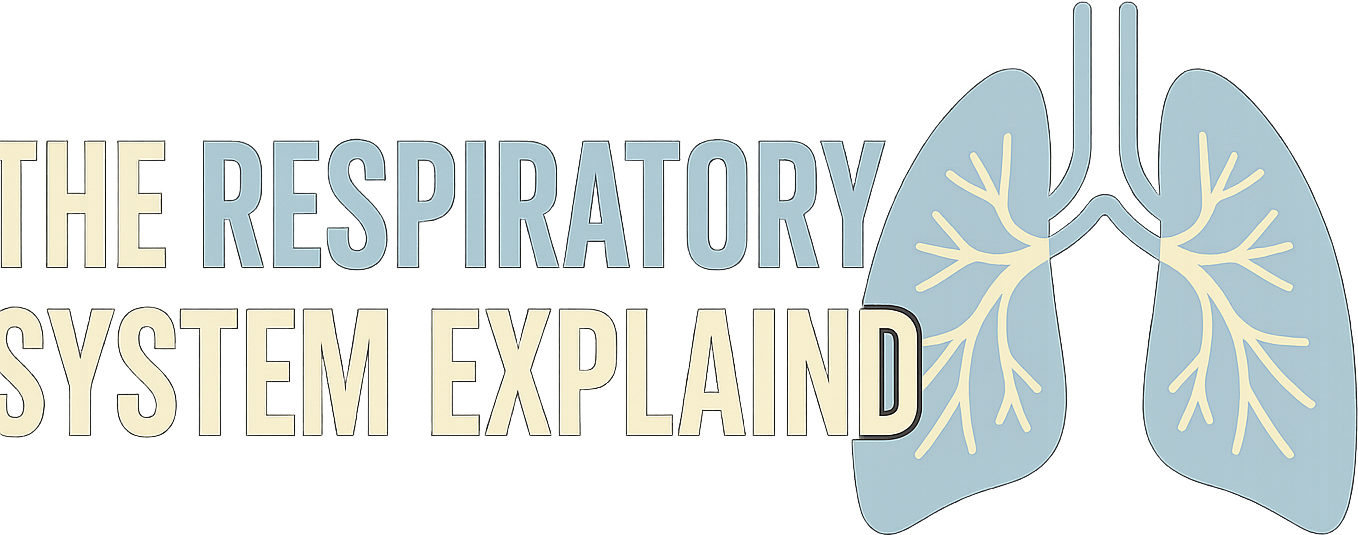
The Respiratory System Explained logo
Quick Course Facts
20
Self-paced, Online, Lessons
20
Videos and/or Narrated Presentations
7.0
Approximate Hours of Course Media
About the The Respiratory System Explained Course

The Respiratory System Explained is a clear, practical Health & Medicine course that helps students understand how breathing works from anatomy through clinical application. You will learn how air moves through the respiratory tract, how oxygen and carbon dioxide are exchanged, and how common respiratory disorders affect normal function.

Build Practical Knowledge Of The Respiratory System

  • Learn respiratory anatomy from the nose, sinuses, pharynx, and larynx to the trachea, bronchi, bronchioles, and alveoli.
  • Understand lung mechanics, including pressure, volume, airflow, compliance, elastic recoil, airway resistance, and spirometry basics.
  • Connect gas exchange, hemoglobin, oxygen delivery, carbon dioxide transport, and acid-base balance to real physiological function.
  • Apply Health & Medicine concepts to respiratory assessment, obstructive and restrictive lung disease, infections, pulmonary embolism, respiratory failure, and ARDS.

A practical anatomy and physiology course on breathing, gas exchange, lung mechanics, and common respiratory disorders.

The Respiratory System Explained begins with the foundations of breathing and the purpose of respiration, then moves step by step through the structures that make breathing possible. You will study the upper and lower respiratory tract, the alveoli, and the respiratory membrane so you can see how anatomy supports ventilation and gas exchange.

As the course develops, you will examine the mechanics of breathing in detail, including the diaphragm, respiratory muscles, lung volumes, capacities, compliance, elastic recoil, and airway resistance. These lessons make complex Health & Medicine topics easier to understand by connecting pressure, volume, and airflow to the actual work your lungs perform with every breath.

You will also learn how oxygen and carbon dioxide move through the body, how hemoglobin supports oxygen delivery, and how carbon dioxide transport influences acid-base balance. The course then explains how breathing is regulated by the brainstem, chemoreceptors, reflexes, exercise, sleep, and high altitude.

Finally, you will apply respiratory physiology to clinical assessment and common disorders, including asthma, COPD, bronchitis, pneumonia, pleurisy, pulmonary fibrosis, pulmonary embolism, respiratory failure, and ARDS. By the end of this course, you will be able to describe the respiratory system with confidence, interpret key respiratory concepts more clearly, and connect normal lung function to real-world Health & Medicine scenarios.

Course Lessons

Full lesson breakdown

Lessons are organized by topic area and each includes descriptive copy for search visibility and student clarity.

Foundations of Breathing

1 lesson

This orientation lesson establishes what respiration is, why every cell depends on it, and how the respiratory system fits into whole-body physiology. Students distinguish breathing from gas exchange …

Respiratory Anatomy

3 lessons

Lesson 2: The Upper Respiratory Tract: Nose, Sinuses, Pharynx, and Larynx

20 min
This lesson maps the upper respiratory tract from the external nose to the larynx, emphasizing how each structure prepares inspired air before it reaches the lower airways. Students learn how the nose…

Lesson 3: The Lower Respiratory Tract: Trachea, Bronchi, Bronchioles, and Alveoli

21 min
This lesson maps the lower respiratory tract from the trachea to the alveoli, showing how each airway segment supports airflow, protection, humidification, and gas exchange. Students learn the practic…

Lesson 4: The Alveoli and the Respiratory Membrane

18 min
This lesson explains how the alveoli create the final working surface of the respiratory system: a thin, moist, highly vascular membrane where oxygen enters the blood and carbon dioxide leaves it. Stu…

Ventilation Mechanics

4 lessons

Lesson 5: The Mechanics of Breathing: Pressure, Volume, and Airflow

22 min
This lesson explains how air moves into and out of the lungs by connecting pressure, volume, resistance, and muscle action. Students learn why inspiration is normally active, why quiet expiration is u…

Lesson 6: Respiratory Muscles, the Diaphragm, and Work of Breathing

19 min
This lesson explains how respiratory muscles create the pressure changes that move air into and out of the lungs. It focuses on the diaphragm as the primary muscle of inspiration, the supporting role …

Lesson 7: Lung Volumes, Capacities, and Spirometry Basics

21 min
This lesson explains the core lung volumes and capacities used to describe ventilation, including tidal volume, inspiratory and expiratory reserve volumes, residual volume, vital capacity, total lung …

Lesson 8: Compliance, Elastic Recoil, and Airway Resistance

22 min
This lesson explains three core mechanical properties that determine how easily air moves into and out of the lungs: compliance , elastic recoil , and airway resistance . Learners will connect pressur…

Gas Exchange and Transport

3 lessons

Lesson 9: Gas Exchange: Moving Oxygen and Carbon Dioxide

20 min
This lesson explains how oxygen and carbon dioxide move between alveolar air, blood, and body tissues. Learners will connect diffusion, partial pressure gradients, membrane thickness, surface area, an…

Lesson 10: Hemoglobin, Oxygen Saturation, and Oxygen Delivery

23 min
This lesson explains how oxygen moves through the blood after it crosses the alveolar-capillary membrane. Students learn why most oxygen is carried by hemoglobin, how oxygen saturation differs from di…

Lesson 11: Carbon Dioxide Transport and Acid-Base Balance

22 min
This lesson explains how carbon dioxide moves from tissues to the lungs and why that process is central to blood pH control. Students learn the three major forms of carbon dioxide transport: dissolved…

Regulation of Respiration

2 lessons

Lesson 12: Control of Breathing: Brainstem, Chemoreceptors, and Reflexes

21 min
This lesson explains how breathing is regulated moment by moment by the brainstem, chemical feedback, and protective reflexes. Students learn how the medulla and pons generate and shape the breathing …

Lesson 13: Respiration During Exercise, Sleep, and High Altitude

18 min
This lesson explains how respiratory control adapts when the body is pushed away from quiet resting conditions. Students will compare breathing during exercise, sleep, and high altitude, focusing on h…

Clinical Physiology

1 lesson

Lesson 14: Pulmonary Circulation and Ventilation-Perfusion Matching

23 min
This lesson explains how blood flow through the lungs is organized, why pulmonary circulation is low-pressure and highly compliant, and how ventilation-perfusion matching determines efficient gas exch…

Clinical Assessment

1 lesson

Lesson 15: Assessing Respiratory Function: Symptoms, Exam Findings, Pulse Oximetry, and ABGs

24 min
This lesson connects bedside respiratory assessment with objective measurements. Students learn how symptoms, work of breathing, chest examination findings, pulse oximetry, and arterial blood gases ea…

Respiratory Disorders

4 lessons

Lesson 16: Obstructive Lung Disease: Asthma, COPD, and Airflow Limitation

24 min
Obstructive lung diseases make it difficult to move air out of the lungs. This lesson explains how asthma and COPD narrow the airways, why expiration becomes prolonged and effortful, and how airflow l…

Lesson 17: Infections and Inflammation: Bronchitis, Pneumonia, and Pleurisy

21 min
This lesson explains three common inflammatory problems of the lower respiratory system: acute bronchitis, pneumonia, and pleurisy. The focus is on where each condition occurs, how inflammation change…

Lesson 18: Restrictive Disease, Pulmonary Fibrosis, and Chest Wall Limitations

20 min
This lesson explains restrictive lung disease as a problem of reduced lung expansion rather than narrowed airways. Learners compare intrinsic restriction, such as pulmonary fibrosis, with extrinsic re…

Lesson 19: Pulmonary Embolism, Respiratory Failure, and ARDS

24 min
This lesson explains three high-impact respiratory emergencies: pulmonary embolism, respiratory failure, and acute respiratory distress syndrome. Learners connect the underlying pathophysiology to pra…

Integration and Application

1 lesson

Lesson 20: Respiratory Health, Prevention, and Putting the System Together

19 min
In this final integration lesson, students connect respiratory anatomy, lung mechanics, gas exchange, defense systems, and common disorders into a practical framework for protecting respiratory health…
About Your Instructor
Professor Mark Davis

Professor Mark Davis

Professor Mark Davis guides this AI-built Virversity course with a clear, practical teaching style.