Health & Medicine Human Biology

Human Physiology for Beginners

A practical introduction to how the human body works, taught by Professor Samuel Reed
Human Physiology for Beginners logo
Quick Course Facts
20
Self-paced, Online, Lessons
20
Videos and/or Narrated Presentations
6.9
Approximate Hours of Course Media
About the Human Physiology for Beginners Course

Human Physiology for Beginners is a clear, approachable Health & Medicine course for anyone who wants to understand how the body functions as a connected system. Taught by Professor Samuel Reed, this course gives students a practical introduction to how the human body works, from cells and tissues to circulation, digestion, immunity, exercise, aging, and disease patterns.

Build A Strong Foundation In Human Physiology

  • Learn essential Health & Medicine concepts without needing advanced science background
  • Understand how major body systems communicate, regulate, and support one another
  • Connect physiology topics to everyday health, exercise, stress, aging, and disease
  • Study with organized beginner-friendly lessons taught by Professor Samuel Reed

Human Physiology for Beginners explains how the human body works through practical, structured Health & Medicine lessons.

This course begins with the foundations of physiology, helping you understand the body as an integrated system made of cells, tissues, organs, and feedback loops. You will explore how membranes control movement across barriers, how homeostasis keeps internal conditions stable, and why feedback systems are central to health and adaptation.

As the course develops, Professor Samuel Reed guides you through the nervous system, endocrine signaling, muscles, bones, circulation, breathing, digestion, metabolism, kidney function, immune defense, and temperature regulation. Each lesson connects core science to real body functions, making complex Health & Medicine topics easier to follow and remember.

You will also examine reproductive physiology, exercise adaptation, aging, and whole-body integration, giving you a broader view of how systems change across life stages. By the end of Human Physiology for Beginners, you will be able to describe key body processes with confidence, recognize how different systems work together, and think more clearly about human health, medicine, and everyday biological function.

Course Lessons

Full lesson breakdown

Lessons are organized by topic area and each includes descriptive copy for search visibility and student clarity.

Foundations of Physiology

4 lessons

In this opening lesson, Professor Samuel Reed introduces physiology as the study of how the body works, with a focus on the body as an integrated system rather than a collection of isolated parts. Stu…

Lesson 2: Cells, Membranes, and Movement Across Barriers

20 min
This lesson introduces the cell as the basic working unit of human physiology, with special attention to the plasma membrane. Learners examine how the membrane separates internal and external fluid en…

Lesson 3: Tissues, Organs, and Body Organization

17 min
In this lesson, Professor Samuel Reed introduces the body’s structural hierarchy: cells form tissues, tissues form organs, organs work within organ systems, and all of these levels cooperate to keep t…

Lesson 4: Homeostasis and Feedback Loops

21 min
In this lesson, Professor Samuel Reed introduces homeostasis: the body’s ability to keep internal conditions within workable ranges even as the outside world and internal demands change. Learners will…

Control and Communication

3 lessons

Lesson 5: Nerve Signals and the Nervous System

22 min
This lesson introduces how the nervous system controls fast communication in the body. Students learn what neurons do, how nerve signals move as electrical impulses, and how chemical signals cross syn…

Lesson 6: The Brain, Spinal Cord, and Reflexes

20 min
In this lesson, Professor Samuel Reed introduces the central nervous system as the body’s main control network. Students learn how the brain and spinal cord receive information, process it, and send c…

Lesson 7: Hormones and the Endocrine System

21 min
Hormones are chemical messengers that allow the body to coordinate slower, longer-lasting responses than the nervous system can provide on its own. In this lesson, students learn how endocrine glands …

Movement and Support

2 lessons

Lesson 8: Muscles, Movement, and Energy Use

20 min
In this lesson, Professor Samuel Reed explains how skeletal muscles create movement, stabilize posture, and use energy during everyday activity. Learners will connect muscle structure to contraction, …

Lesson 9: Bones, Joints, and Body Support

18 min
In this lesson, Professor Samuel Reed introduces the skeletal system as the body’s living support framework. You will learn how bones provide structure, protect organs, store minerals, help produce bl…

Transport Systems

2 lessons

Lesson 10: Blood, Vessels, and Circulation

22 min
In this lesson, Professor Samuel Reed introduces the body’s transport system: blood, blood vessels, and circulation. You will learn what blood carries, how arteries, veins, and capillaries differ, and…

Lesson 11: The Heart and Blood Pressure Regulation

23 min
In this lesson, Professor Samuel Reed explains how the heart moves blood through the body and how blood pressure is created, measured, and regulated. Students learn the basic path of blood flow throug…

Exchange and Energy

3 lessons

Lesson 12: Breathing and Gas Exchange

21 min
In this lesson, Professor Samuel Reed explains how breathing moves air into and out of the lungs, how oxygen enters the blood, and how carbon dioxide leaves the body. The focus is practical: understan…

Lesson 13: Digestion, Absorption, and Metabolism

23 min
In this lesson, Professor Samuel Reed explains how the digestive system turns food into absorbable nutrients, how those nutrients cross into blood or lymph, and how the body uses them for energy, repa…

Lesson 14: The Liver, Pancreas, and Blood Sugar Control

20 min
This lesson introduces the liver and pancreas as central regulators of fuel processing and blood glucose balance. Students learn how the liver stores, releases, and transforms nutrients, while the pan…

Balance and Defense

3 lessons

Lesson 15: Kidneys, Fluid Balance, and Waste Removal

22 min
In this lesson, Professor Samuel Reed introduces the kidneys as the body’s main system for filtering blood, removing metabolic waste, and keeping internal fluid conditions stable. Learners will see ho…

Lesson 16: Immune Defense and Inflammation

21 min
In this lesson, Professor Samuel Reed explains how the immune system protects the body while still preserving balance. Students learn the difference between innate and adaptive immunity, how barriers …

Lesson 17: Body Temperature, Stress, and Adaptation

19 min
In this lesson, Professor Samuel Reed explains how the body keeps internal temperature within a narrow working range, why stress is a normal physiological response, and how repeated challenges can lea…

Life Stages and Application

3 lessons

Lesson 18: Reproductive Physiology and Development Basics

20 min
This lesson introduces the core physiology of human reproduction and early development at a beginner-friendly level. Students learn how reproductive organs, gametes, hormones, fertilization, pregnancy…

Lesson 19: Exercise, Training, and Physiological Change

22 min
This lesson explains how exercise creates short-term physiological responses and longer-term training adaptations. Students learn how the cardiovascular, respiratory, muscular, metabolic, nervous, end…

Lesson 20: Aging, Disease Patterns, and Whole-Body Integration

24 min
In this lesson, Professor Samuel Reed brings the course together by showing how physiology changes across aging and how common disease patterns often arise from gradual loss of reserve, impaired regul…
About Your Instructor
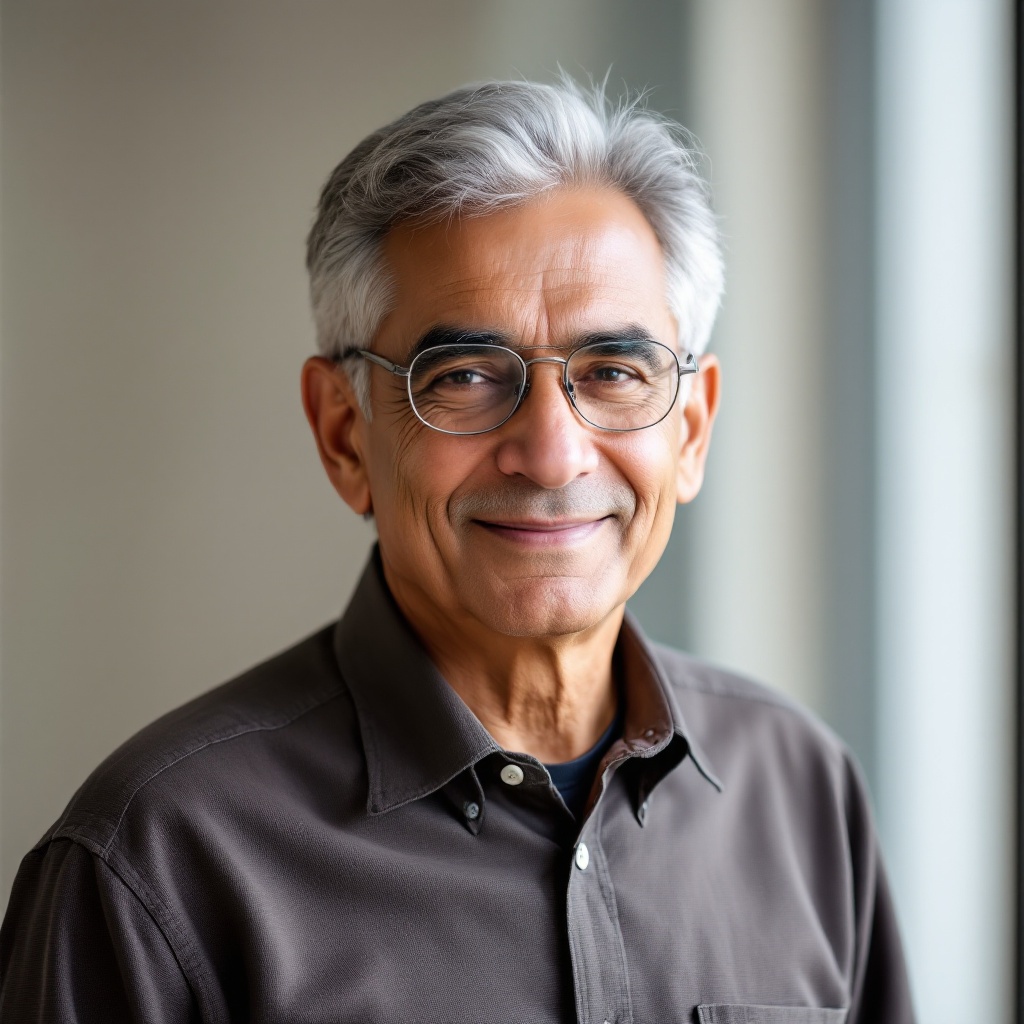
Professor Samuel Reed

Professor Samuel Reed

Professor Samuel Reed guides this AI-built Virversity course with a clear, practical teaching style.