Psychology Neuroscience

The Science of Memory

How the Brain Encodes, Stores, Forgets, and Strengthens What We Learn
The Science of Memory logo
Quick Course Facts
19
Self-paced, Online, Lessons
19
Videos and/or Narrated Presentations
6.4
Approximate Hours of Course Media
About the The Science of Memory Course

The Science of Memory is a Psychology course that explains how learning becomes memory, why memories change, and how students can study with more confidence. Through clear lessons on the brain, encoding, forgetting, and evidence-based practice, you will learn practical ways to strengthen what you learn for school, work, and everyday life.

Master The Science Of Memory Through Psychology

  • Understand How the Brain Encodes, Stores, Forgets, and Strengthens What We Learn
  • Explore sensory, working, and long-term memory through accessible Psychology concepts
  • Learn why forgetting, distortion, stress, and emotion affect recall
  • Build a personal memory system using spacing, retrieval practice, interleaving, and better study habits

This course gives you a practical, science-based understanding of memory and learning.

The Science of Memory begins with the foundations of memory as both a biological and cognitive system. You will examine the major types of memory, including sensory memory, working memory, and long-term memory, then see how attention and perception shape the first stages of encoding.

As the course progresses, you will study How the Brain Encodes, Stores, Forgets, and Strengthens What We Learn through lessons on the hippocampus, cortex, synaptic plasticity, sleep, and consolidation. You will also learn why memory is not a perfect recording, but a reconstructive process influenced by retrieval, suggestion, stress, and emotion.

The course connects Psychology research to real learning strategies. You will explore spacing, retrieval practice, desirable difficulty, interleaving, flashcards, summaries, note-taking, and common study mistakes so you can make smarter decisions about how you learn.

By the end, you will understand The Science of Memory across childhood, aging, habits, skills, language, and expertise. You will leave with a clearer model of how memory works and a practical system for learning more effectively in academic, professional, and personal settings.

Course Lessons

Full lesson breakdown

Lessons are organized by topic area and each includes descriptive copy for search visibility and student clarity.

Foundations of Memory Science

2 lessons

This lesson introduces memory as both a biological process and a cognitive system . Students learn why memory is not a single mental storage box, but a coordinated set of brain and mind processes that…

Lesson 2: The Major Types of Memory: Sensory, Working, and Long-Term

20 min
This lesson introduces the major categories psychologists and neuroscientists use to describe memory: sensory memory, working memory, and long-term memory. Students learn what each system does, how lo…

Encoding and Storage

4 lessons

Lesson 3: Attention, Perception, and the First Stage of Encoding

19 min
This lesson explains how memory begins before storage: with attention and perception. Learners examine why the brain does not encode everything it senses, how attention selects information for deeper …

Lesson 4: Working Memory: Capacity, Control, and Mental Effort

21 min
This lesson explains working memory as the brain’s limited, active workspace for holding and manipulating information in the moment. It distinguishes working memory from short-term storage, shows why …

Lesson 5: From Experience to Trace: How Long-Term Memories Form

20 min
This lesson explains how a lived experience becomes a durable long-term memory trace. It focuses on the transition from perception and attention into encoded representations, then into early storage t…

Lesson 6: Meaning, Association, and Elaborative Encoding

18 min
This lesson explains why memory improves when new information is encoded with meaning rather than treated as isolated facts. Students examine how association, prior knowledge, organization, and self-g…

The Brain Basis of Memory

3 lessons

Lesson 7: The Hippocampus, Cortex, and Systems Consolidation

22 min
This lesson explains how the hippocampus and cortex cooperate to form lasting declarative memories. The hippocampus is introduced as a fast-learning indexing system that binds together the people, pla…

Lesson 8: Synapses, Plasticity, and the Cellular Logic of Learning

21 min
This lesson explains how memory becomes biological: not as a single file stored in one place, but as changes in communication among neurons. Students learn how synapses transmit signals, how repeated …

Lesson 9: Sleep, Rest, and the Stabilization of Memory

19 min
This lesson explains why memory does not become permanent the moment we learn something. After encoding, the brain continues to stabilize, reorganize, and sometimes transform new memories through a pr…

Forgetting and Distortion

4 lessons

Lesson 10: Forgetting Curves, Decay, and Interference

20 min
This lesson explains why forgetting is not simply a failure of willpower or intelligence. Learners examine the classic forgetting curve, the difference between memory decay and retrieval failure, and …

Lesson 11: Retrieval: Why Remembering Changes Memory

18 min
Retrieval is not a neutral replay of stored information. Each act of remembering can strengthen some details, weaken competing details, and reshape the memory around current goals, cues, emotions, and…

Lesson 12: False Memories, Suggestion, and Reconstructed Recall

22 min
This lesson examines why recall is not a simple playback of stored information. Memories are reconstructed from partial traces, current knowledge, expectations, and social cues, which makes them usefu…

Lesson 13: Emotion, Stress, and Memory Under Pressure

20 min
This lesson examines how emotion and stress shape memory when the stakes are high. Students learn why emotionally charged events often feel vivid, why vividness is not the same as accuracy, and how pr…

Memory Improvement Strategies

3 lessons

Lesson 14: Spacing, Retrieval Practice, and Desirable Difficulty

21 min
This lesson explains three of the most reliable learning principles in memory science: spacing , retrieval practice , and desirable difficulty . Rather than treating memory improvement as a matter of …

Lesson 15: Interleaving, Variation, and Transfer of Learning

19 min
This lesson explains why mixing related skills, varying practice conditions, and deliberately practicing transfer often produces stronger long-term learning than repeating one problem type at a time. …

Lesson 16: Notes, Summaries, Flashcards, and Common Study Mistakes

20 min
This lesson examines four common study tools: notes, summaries, flashcards, and review sessions. Students learn why these tools work only when they force attention, organization, retrieval, and feedba…

Memory in Real Life

3 lessons

Lesson 17: Memory Across the Lifespan: Childhood, Aging, and Brain Health

22 min
This lesson examines how memory changes from early childhood through older adulthood, with a practical focus on what is normal, what deserves attention, and what habits support brain health. Students …

Lesson 18: Memory for Skills, Habits, Language, and Expertise

21 min
This lesson explains how memory works when the goal is not simply to remember facts, but to perform: playing an instrument, driving a car, typing quickly, speaking a language, reading a medical scan, …

Lesson 19: Designing a Personal Memory System for Learning and Work

23 min
In this lesson, Professor Amit Kumar shows learners how to turn memory science into a personal system for study, work, and everyday responsibilities. The focus is not on using one perfect app or copyi…
About Your Instructor
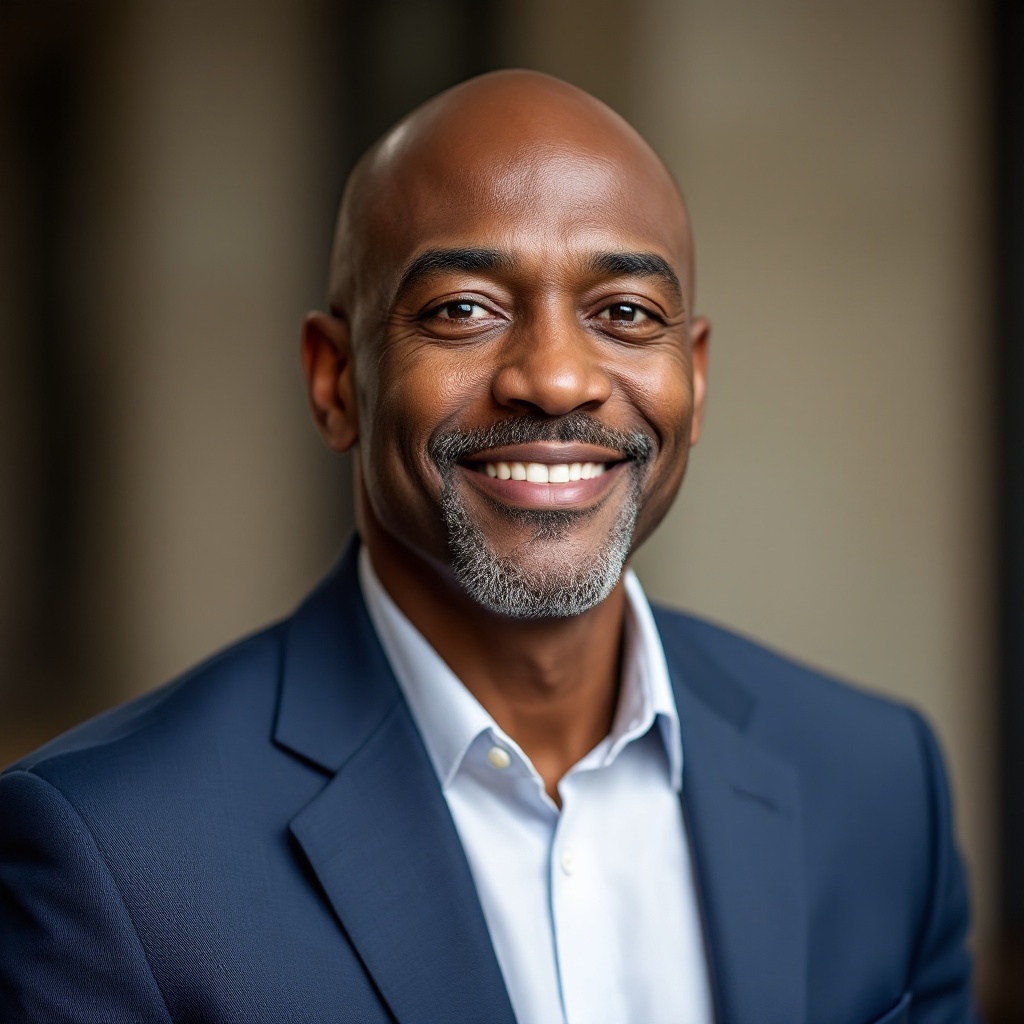
Professor Amit Kumar

Professor Amit Kumar

Professor Amit Kumar guides this AI-built Virversity course with a clear, practical teaching style.