Photography Camera Basics

Understanding Camera Settings

A practical guide to aperture, shutter speed, ISO, and exposure control

Understanding Camera Settings logo
Quick Course Facts
17
Self-paced, Online, Lessons
17
Videos and/or Narrated Presentations
5.4
Approximate Hours of Course Media
About the Understanding Camera Settings Course

This course, Understanding Camera Settings, gives you a clear and practical path to better Photography by helping you take control of the settings that shape every image. If you want sharper photos, better exposure, and more confidence behind the camera, this class offers A practical guide to aperture, shutter speed, ISO, and exposure control in a way that is easy to apply in real shooting situations.

Master Camera Settings To Improve Your Photography

  • Learn how Understanding Camera Settings affects exposure, focus, and image quality
  • Build a strong foundation in aperture, shutter speed, ISO, and exposure control
  • Use camera settings with confidence in portraits, action, landscapes, and low light
  • Develop a repeatable workflow that improves results every time you shoot

A practical guide to aperture, shutter speed, ISO, and exposure control for real-world Photography.

In this course, you will start with the essentials of what camera settings actually do and how they influence the final look of your images. You will move step by step through exposure concepts, learning how aperture, shutter speed, and ISO work individually and together to shape brightness, motion, and depth of field. This foundation makes Understanding Camera Settings easier to remember and far more useful when you are out shooting.

You will also learn how to read your light meter and histogram, choose the right exposure mode, and make smarter decisions with white balance, focus modes, metering modes, and exposure compensation. These lessons are designed to help you stop guessing and start responding to the light and the subject in front of you. Whether you are photographing people, sports, landscapes, or night scenes, you will see how to choose settings that suit the moment.

Throughout the course, you will explore recommended settings for common shooting situations and learn how to troubleshoot frequent exposure mistakes. The lessons on motion, sharpness, background blur, and low-light tradeoffs give you the confidence to adapt quickly and consistently. By the end, you will have a practical settings workflow that supports stronger composition, cleaner exposure, and more intentional Photography, leaving you ready to create images with greater control and consistency.

Course Lessons

Full lesson breakdown

Lessons are organized by topic area and each includes descriptive copy for search visibility and student clarity.

Course Foundations

1 lesson

This lesson explains what the main camera settings actually control: aperture, shutter speed, and ISO. You will learn how each setting affects brightness, motion, and image quality so you can make pur…

Core Exposure Concepts

1 lesson

Lesson 2: Understanding Exposure and the Exposure Triangle

20 min
This lesson explains how cameras control exposure and how the exposure triangle works in practice. Learners will understand the relationship between aperture, shutter speed, and ISO, how each one affe…

Controlling Focus and Background Blur

1 lesson

Lesson 3: Aperture: Light and Depth of Field

18 min
This lesson explains how aperture controls both brightness and depth of field, the amount of your image that appears sharp. You will learn how f-stop numbers work, why a wider aperture creates a blurr…

Freezing and Blurring Movement

1 lesson

Lesson 4: Shutter Speed: Motion and Sharpness

18 min
Shutter speed controls how long your camera sensor is exposed to light. In this lesson, Professor Chloe Vincent shows how fast shutter speeds freeze motion, while slower speeds create blur that can ad…

Managing Low Light Tradeoffs

1 lesson

Lesson 5: ISO: Sensitivity, Brightness, and Noise

18 min
This lesson explains how ISO affects image brightness, sensor sensitivity, and image noise. You will learn when to raise ISO in low light, when to avoid it, and how ISO fits into the exposure triangle…

Balancing the Three Key Settings

1 lesson

Lesson 6: How Aperture, Shutter Speed, and ISO Work Together

20 min
This lesson explains how aperture, shutter speed, and ISO work together to control exposure. You will learn the trade-offs each setting creates, how changing one affects the others, and how to make qu…

Evaluating Exposure Feedback

1 lesson

Lesson 7: Reading Your Light Meter and Histogram

20 min
This lesson shows you how to read exposure feedback from your camera so you can make faster, more confident decisions in the field. You will learn what the light meter is actually telling you, how to …

Choosing the Right Shooting Mode

1 lesson

Lesson 8: Exposure Modes: Manual, Aperture Priority, Shutter Priority, Auto

20 min
This lesson explains the four core exposure modes on most cameras: Manual , Aperture Priority , Shutter Priority , and Auto . You will learn what each mode controls, what it leaves to the camera, and …

Getting Accurate Color

1 lesson

Lesson 9: White Balance and Color Temperature Basics

18 min
White balance is how a camera interprets the color of light, and color temperature is the reason different light sources look warm, neutral, or cool. In this lesson, Professor Chloe Vincent explains h…

Keeping Subjects Sharp

1 lesson

Lesson 10: Focus Modes and Focus Points

18 min
In this lesson, Professor Chloe Vincent explains how autofocus focus modes and focus points help you keep subjects sharp in real shooting situations. You’ll learn when to use single-shot, continuous, …

Fine-Tuning Camera Decisions

1 lesson

Lesson 11: Metering Modes and Exposure Compensation

19 min
This lesson explains how your camera decides what is bright, dark, or correctly exposed when you are not using full manual control. You will learn the most common metering modes, how each one reads a …

People and Subject Isolation

1 lesson

Lesson 12: Recommended Settings for Portraits

20 min
This lesson focuses on practical portrait camera settings that help you separate a subject from the background while keeping the face sharp and natural-looking. You will learn how aperture, shutter sp…

Fast Motion and Fast Reactions

1 lesson

Lesson 13: Recommended Settings for Action and Sports

20 min
This lesson explains how to choose practical camera settings for action and sports photography . The focus is on freezing motion, keeping athletes sharp, and balancing exposure when the light changes …

Detail, Depth, and Stability

1 lesson

Lesson 14: Recommended Settings for Landscapes and Architecture

19 min
This lesson shows how to choose camera settings that work well for landscapes and architecture , where sharpness, depth, and stability matter more than speed or motion capture. You will learn practica…

Working in Challenging Light

1 lesson

Lesson 15: Recommended Settings for Low Light and Night Scenes

20 min
Low light and night scenes require deliberate camera choices because the camera is working with far less available light. In this lesson, you will learn practical starting points for aperture, shutter…

Troubleshooting Exposure Problems

1 lesson

Lesson 16: Common Camera Settings Mistakes and How to Fix Them

18 min
This lesson helps learners diagnose and correct the most common exposure mistakes made in everyday shooting: images that are too dark, too bright, blurry, noisy, or inconsistent from shot to shot. Pro…

From Setup to Shot

1 lesson

Lesson 17: Building a Practical Settings Workflow in the Field

22 min
This lesson shows how to build a repeatable camera settings workflow you can use in the field, from first setup to the final frame. Instead of changing settings randomly, you will learn a practical se…
About Your Instructor
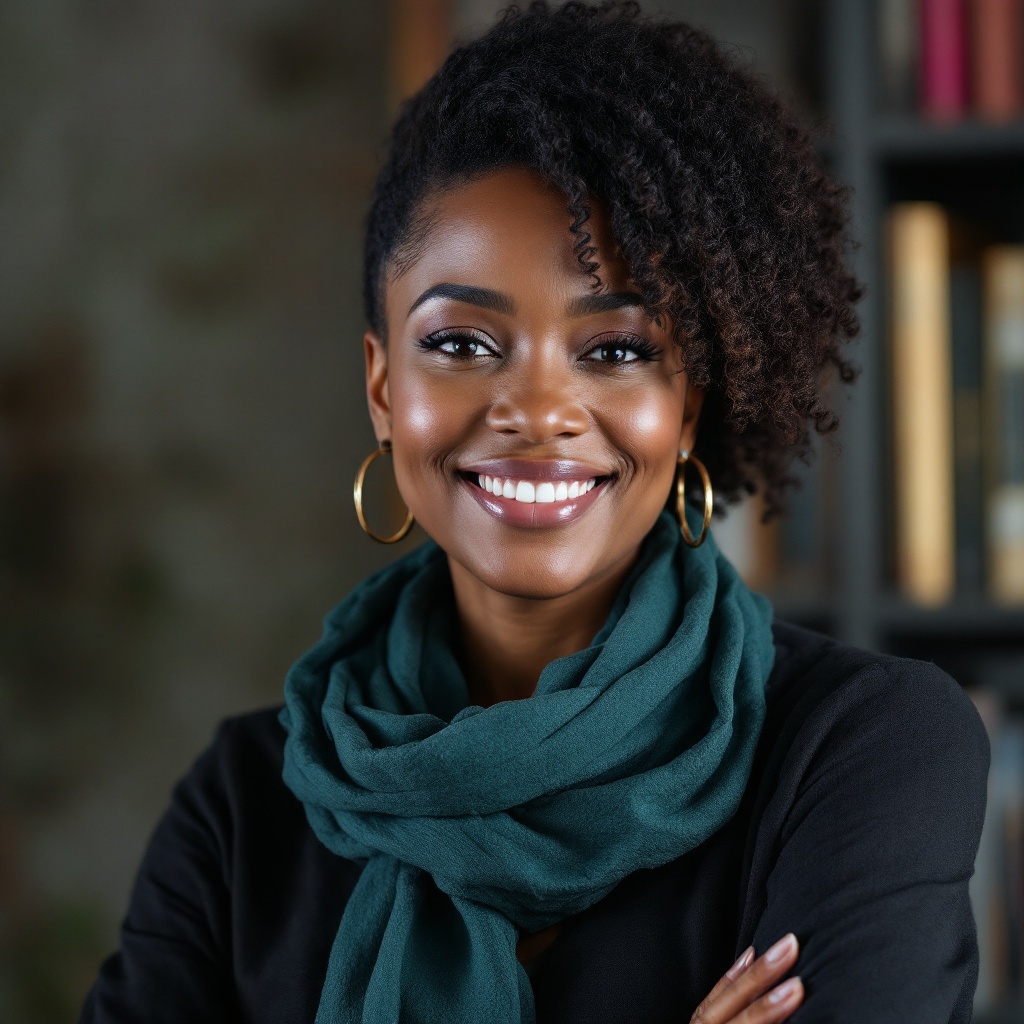
Professor Chloe Vincent

Professor Chloe Vincent

Professor Chloe Vincent guides this AI-built Virversity course with a clear, practical teaching style.