Science Biology

Biology 101 for Adult Learners

A clear, practical introduction to life science with Professor Peter Lambert
Biology 101 for Adult Learners logo
Quick Course Facts
18
Self-paced, Online, Lessons
18
Videos and/or Narrated Presentations
6.3
Approximate Hours of Course Media
About the Biology 101 for Adult Learners Course

Biology 101 for Adult Learners is a clear, practical introduction to life science with Professor Peter Lambert, designed for adults who want to understand the living world without jargon or prior study. This Science course builds confidence step by step, helping you connect cells, genetics, evolution, human biology, and ecology to everyday decisions.

Build A Strong Foundation In Biology Science

  • Learn core life science ideas in short, focused lessons made for adult learners.
  • Understand cells, DNA, inheritance, evolution, and human body systems in plain language.
  • Connect Biology 101 for Adult Learners topics to health, environment, and biotechnology choices.
  • Study with Professor Peter Lambert through a structured path from basic concepts to real-world applications.

A complete introductory Science course covering the foundations of modern biology and life science.

This course begins with what biology studies and how Science works, then moves into the chemistry of life, including water, carbon, and the biological molecules that make living systems possible. You will learn how cells function as the basic units of life, how membranes control movement and communication, and how organisms obtain and use energy through enzymes, respiration, and photosynthesis.

As the course develops, Professor Peter Lambert guides you through DNA, genes, inheritance, mutation, variation, and genetic technology. You will also explore evolution by natural selection, the tree of life, and the major groups of organisms, giving you a practical framework for understanding biodiversity and how living things are related.

Biology 101 for Adult Learners also introduces essential human biology, including tissues, organs, homeostasis, nutrition, digestion, circulation, respiration, nerves, hormones, immunity, reproduction, development, and ageing. The final lessons place life science in context through ecology, ecosystems, health, environmental issues, and biotechnology.

By the end of this Science course, you will be able to explain major biological ideas clearly, recognize how biology affects daily life, and approach health, nature, and technology topics with stronger confidence and understanding.

Course Lessons

Full lesson breakdown

Lessons are organized by topic area and each includes descriptive copy for search visibility and student clarity.

Foundations of Life Science

2 lessons

In this opening lesson, Professor Peter Lambert introduces biology as the scientific study of life, from molecules and cells to ecosystems and evolution. Adult learners will learn how biology connects…

Lesson 2: The Chemistry of Life: Water, Carbon, and Biological Molecules

21 min
This lesson introduces the chemical foundation of living things: atoms, chemical bonds, water, carbon, and the major biological molecules. Adult learners will connect basic chemistry to practical biol…

Cells and Energy

4 lessons

Lesson 3: Cells: The Basic Units of Living Things

20 min
In this lesson, Professor Peter Lambert explains how cells obtain, store, and use energy to stay alive. Adult learners will connect everyday ideas such as eating, breathing, exercising, and plant grow…

Lesson 4: Cell Membranes, Transport, and Communication

19 min
In this lesson, Professor Peter Lambert explains how the cell membrane acts as a living boundary: flexible enough to move and change, selective enough to control what enters and leaves, and organized …

Lesson 5: Energy in Living Systems: Enzymes, Respiration, and Photosynthesis

23 min
Living cells constantly manage energy. This lesson explains how enzymes make cellular reactions practical, how cells release usable energy from food through cellular respiration, and how plants and al…

Lesson 6: Cell Division, Growth, and Repair

18 min
In this lesson, Professor Peter Lambert explains how cells divide so the body can grow, replace worn-out cells, and repair damaged tissue. The focus is on mitosis , the everyday form of cell division …

Genetics and Inheritance

3 lessons

Lesson 7: DNA, Genes, and the Flow of Information

22 min
In this lesson, Professor Peter Lambert explains how DNA stores biological information, how genes are organized within chromosomes, and how cells use genetic instructions to build proteins. The focus …

Lesson 8: Inheritance: How Traits Pass Between Generations

21 min
This lesson introduces the basic rules of inheritance: how DNA instructions are passed from parents to offspring, why siblings can differ, and how dominant and recessive alleles affect visible traits.…

Lesson 9: Mutation, Variation, and Genetic Technology

20 min
This lesson explains how mutations create genetic variation, why most variation is neutral, and how some changes can affect traits, health, or survival. Learners connect DNA sequence changes to real b…

Evolution and Diversity

3 lessons

Lesson 10: Evolution by Natural Selection

22 min
This lesson explains evolution by natural selection as a practical, evidence-based idea: populations change over generations when heritable traits affect survival and reproduction. Learners distinguis…

Lesson 11: The Tree of Life: Classifying Organisms

19 min
In this lesson, Professor Peter Lambert introduces the Tree of Life as a practical way to understand biological diversity. Learners examine why classification matters, how modern taxonomy groups organ…

Lesson 12: Microbes, Plants, Fungi, and Animals in Perspective

21 min
In this lesson, Professor Peter Lambert places four familiar groups of living things in biological perspective: microbes, plants, fungi, and animals. The lesson emphasizes that these are not equal-siz…

Human Biology

4 lessons

Lesson 13: Human Body Organisation: Tissues, Organs, and Homeostasis

18 min
In this lesson, Professor Peter Lambert introduces the human body as an organized living system built from cells, tissues, organs, and organ systems. Adult learners will connect familiar body parts to…

Lesson 14: Nutrition, Digestion, Circulation, and Respiration

24 min
This lesson explains how four human body systems work together to keep cells alive: nutrition supplies raw materials, digestion breaks food into usable molecules, circulation transports those molecule…

Lesson 15: Nerves, Hormones, Immunity, and Defence

24 min
In this lesson, Professor Peter Lambert introduces four connected control and defence systems in the human body: nerves, hormones, immunity, and physical defence barriers. Adult learners will see how …

Lesson 16: Reproduction, Development, and Ageing

21 min
This lesson explains how human reproduction, development, and ageing connect across the life span. Learners will review the basic roles of gametes, chromosomes, hormones, fertilization, pregnancy, bir…

Life in Context

2 lessons

Lesson 17: Ecology: Populations, Communities, and Ecosystems

22 min
In this lesson, Professor Peter Lambert introduces ecology as the study of how living things interact with one another and with their physical environment. Adult learners will distinguish populations,…

Lesson 18: Biology in Everyday Decisions: Health, Environment, and Biotechnology

23 min
This lesson brings Biology 101 into everyday decision-making. Students learn how biological thinking can help them evaluate health claims, environmental choices, food and nutrition issues, infectious …
About Your Instructor
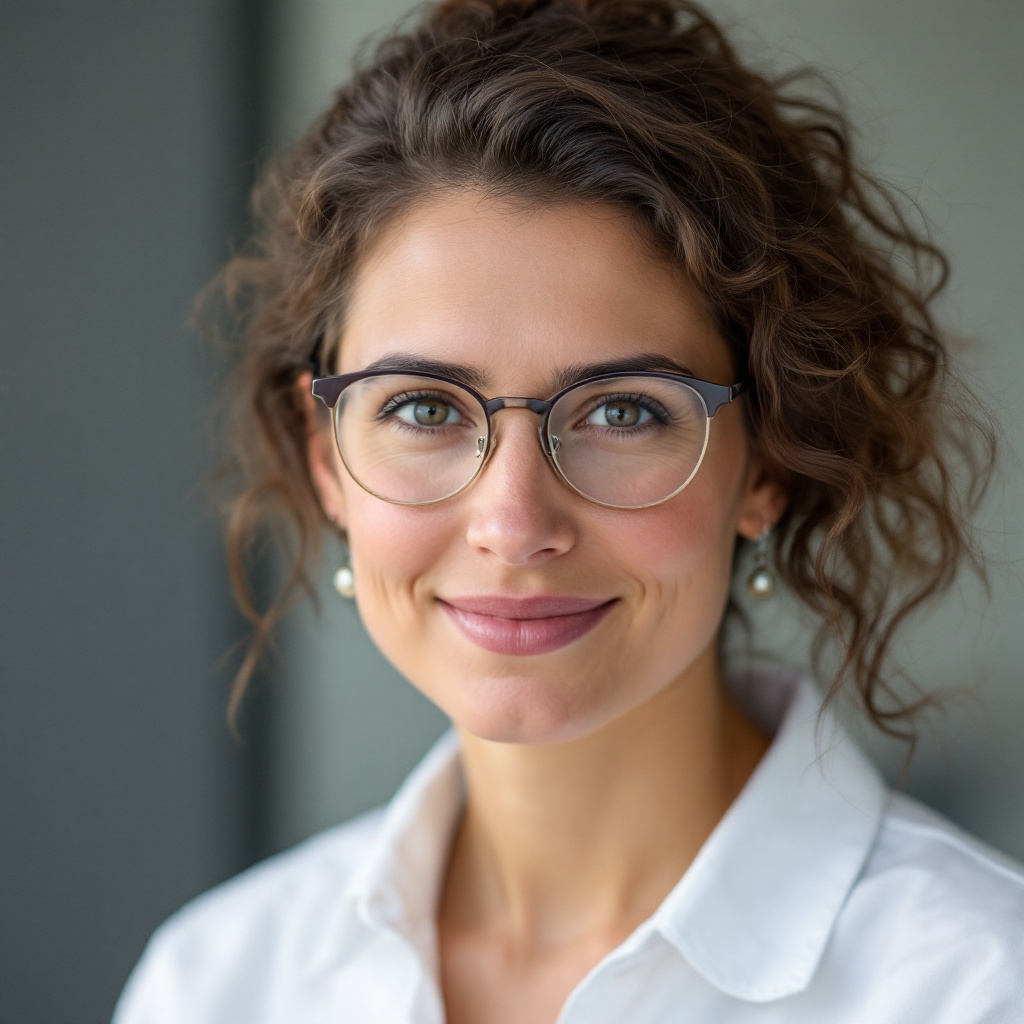
Professor Peter Lambert

Professor Peter Lambert

Professor Peter Lambert guides this AI-built Virversity course with a clear, practical teaching style.