Languages Korean

Korean 101

A practical beginner course for reading Hangul, speaking naturally, and building everyday Korean from the ground up
Korean 101 logo
Quick Course Facts
20
Self-paced, Online, Lessons
20
Videos and/or Narrated Presentations
7.1
Approximate Hours of Course Media
About the Korean 101 Course

Korean 101 is a practical beginner course for reading Hangul, speaking naturally, and building everyday Korean from the ground up. Designed for students new to Languages, this course helps you develop clear pronunciation, useful grammar, and real conversation skills for daily situations.

Build Everyday Korean Skills With Korean 101

  • Learn to read Hangul through vowels, consonants, syllable blocks, final consonants, and common sound changes.
  • Practice natural greetings, introductions, polite expressions, and simple questions for first conversations.
  • Build a strong foundation in Korean sentence order, particles, verbs, adjectives, numbers, time, and schedules.
  • Apply Korean in practical situations such as restaurants, shopping, transportation, directions, and travel.

Korean 101 gives beginners a clear, step-by-step path into one of today’s most useful and rewarding Languages.

This course starts with the essentials: Korean sounds, effective study habits, and the Hangul writing system. You will learn how vowels and consonants work together in syllable blocks, then build confidence with final consonants and sound changes so reading feels more natural.

From there, Korean 101 moves into everyday communication. You will practice greetings, goodbyes, polite expressions, introductions, and simple question-and-answer patterns using core grammar such as 이에요, 예요, 입니다, 은/는, 이/가, and 을/를.

You will also learn the language tools needed for real-life situations, including numbers, money, dates, phone numbers, time, locations, adjectives, preferences, ordering food, shopping, asking for help, transportation, and directions. By the end of this beginner course, you will be able to read Hangul, form basic sentences, understand common grammar patterns, and take part in simple Korean conversations with more confidence.

Course Lessons

Full lesson breakdown

Lessons are organized by topic area and each includes descriptive copy for search visibility and student clarity.

Foundations

3 lessons

In this opening lesson, students learn how to approach Korean as a sound system before memorizing phrases or grammar. The focus is on hearing Korean clearly, avoiding misleading English spelling habit…

Lesson 2: Reading Hangul: Vowels, Consonants, and Syllable Blocks

22 min
In this lesson, students learn how Hangul works as a writing system: letters represent sounds, but they are grouped into square syllable blocks. The lesson introduces the most important basic vowels a…

Lesson 3: Hangul Practice: Final Consonants and Sound Changes

21 min
In this lesson, students practice reading Korean syllables with final consonants, called batchim . The focus is not memorizing every exception, but building a reliable beginner method: identify the fi…

First Conversations

2 lessons

Lesson 4: Greetings, Goodbyes, and Basic Polite Expressions

18 min
In this lesson, students learn the core polite expressions needed for a first Korean conversation: saying hello, goodbye, thank you, sorry, yes, no, and using simple attention-getting phrases. The foc…

Lesson 5: Introducing Yourself with 이에요, 예요, and 입니다

20 min
In this lesson, students learn how to introduce themselves in Korean using two core sentence endings: the polite everyday forms 이에요/예요 and the formal form 입니다 . The focus is practical: saying your nam…

Core Grammar

4 lessons

Lesson 6: Korean Sentence Order and the Topic Particle 은/는

21 min
In this lesson, students learn the basic word order that makes Korean sentences feel different from English: the verb or adjective comes at the end. Instead of building sentences around English-style …

Lesson 7: Subject and Object Particles: 이/가 and 을/를

22 min
In this lesson, students learn how Korean marks the subject and direct object of a sentence using the particles 이/가 and 을/를 . Instead of relying on word order alone, Korean attaches short grammar mark…

Lesson 8: Essential Verbs and Present-Tense Polite Endings

23 min
In this lesson, students learn how Korean dictionary-form verbs become natural present-tense polite speech. The focus is on recognizing verb stems, removing 다 , and choosing the correct -아요 , -어요 , or…

Lesson 9: Asking and Answering Simple Questions

19 min
In this lesson, students learn how to turn familiar beginner Korean sentences into simple questions and how to answer them naturally. The focus is on practical yes/no questions, basic wh-questions, an…

Numbers and Time

3 lessons

Lesson 10: Numbers Part 1: Native Korean Numbers, Age, and Counting

20 min
This lesson introduces the native Korean number system used for age, small quantities, and many everyday counting situations. Students learn the core numbers from 1 to 10, the tens from 20 to 90, and …

Lesson 11: Numbers Part 2: Sino-Korean Numbers, Money, Dates, and Phone Numbers

22 min
In this lesson, students learn the Sino-Korean number system and use it in the everyday places where it appears most often: money, dates, addresses, room numbers, floors, and phone numbers. The lesson…

Lesson 12: Time, Days, and Talking About Your Schedule

21 min
In this lesson, students learn how to talk about time, days of the week, and simple schedules in Korean. The focus is practical: saying what time something happens, naming weekdays, asking about plans…

Everyday Situations

3 lessons

Lesson 13: Location Words and the Particles 에 and 에서

22 min
In this lesson, students learn practical Korean location words and the two essential particles 에 and 에서 . The focus is on saying where something is, where someone goes, and where an action happens in …

Lesson 14: Describing Things with Basic Adjectives

20 min
In this lesson, students learn how to describe everyday people, places, objects, food, weather, prices, and experiences using common Korean descriptive verbs. The focus is on practical polite sentence…

Lesson 15: Likes, Dislikes, Wants, and Preferences

21 min
In this lesson, students learn how to talk about likes, dislikes, wants, and simple preferences in everyday Korean. The focus is on practical sentence patterns such as N이/가 좋아요 , N이/가 싫어요 , V-고 싶어요 , …

Practical Conversation

3 lessons

Lesson 16: Ordering Food and Speaking in Restaurants

23 min
This lesson teaches practical restaurant Korean for beginner situations: entering a restaurant, asking for a table or menu, ordering food and drinks, making simple requests, handling common server que…

Lesson 17: Shopping, Prices, and Asking for Help

20 min
In this lesson, students learn how to handle simple shopping interactions in Korean: asking for prices, identifying items, requesting help, and responding politely at a store or market. The focus is o…

Lesson 18: Directions, Transportation, and Simple Travel Korean

22 min
In this lesson, students learn practical Korean for getting around: asking where something is, understanding simple directions, choosing transportation, and confirming stops, stations, and destination…

Building Fluency

2 lessons

Lesson 19: Daily Routines with Past and Future Expressions

24 min
In this lesson, students learn to describe everyday routines in Korean using practical past and future expressions. The focus is on common daily verbs, natural time words, and sentence patterns that h…

Lesson 20: Putting It Together: A Beginner Korean Conversation

25 min
In this lesson, students bring together the core skills from Korean 101: Hangul reading, greetings, polite sentence endings, simple questions, introductions, numbers, basic particles, and everyday res…
About Your Instructor
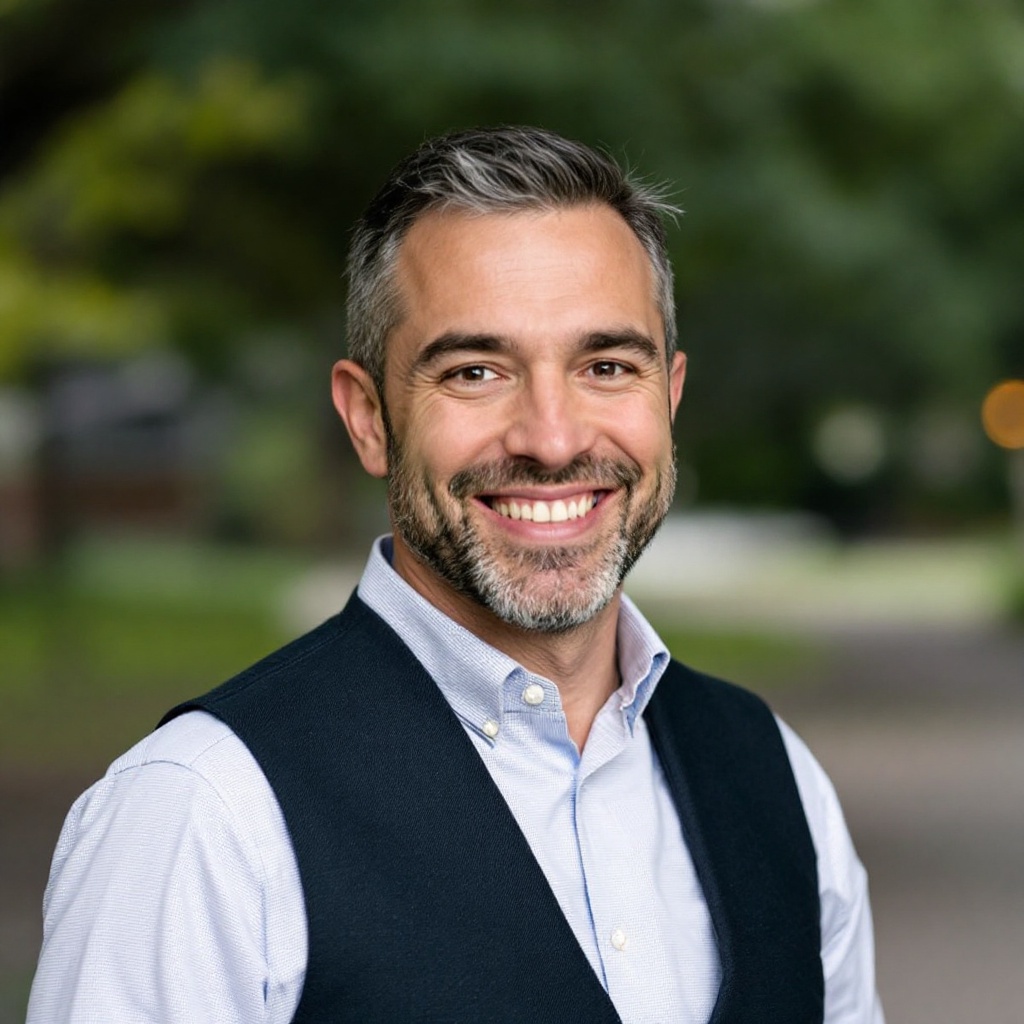
Professor Michael Edwards

Professor Michael Edwards

Professor Michael Edwards guides this AI-built Virversity course with a clear, practical teaching style.